Experiences from the World Network of Mountain Biosphere Reserves
Conservation and sustainable use of vicuñas and the Andean socio-ecosystem
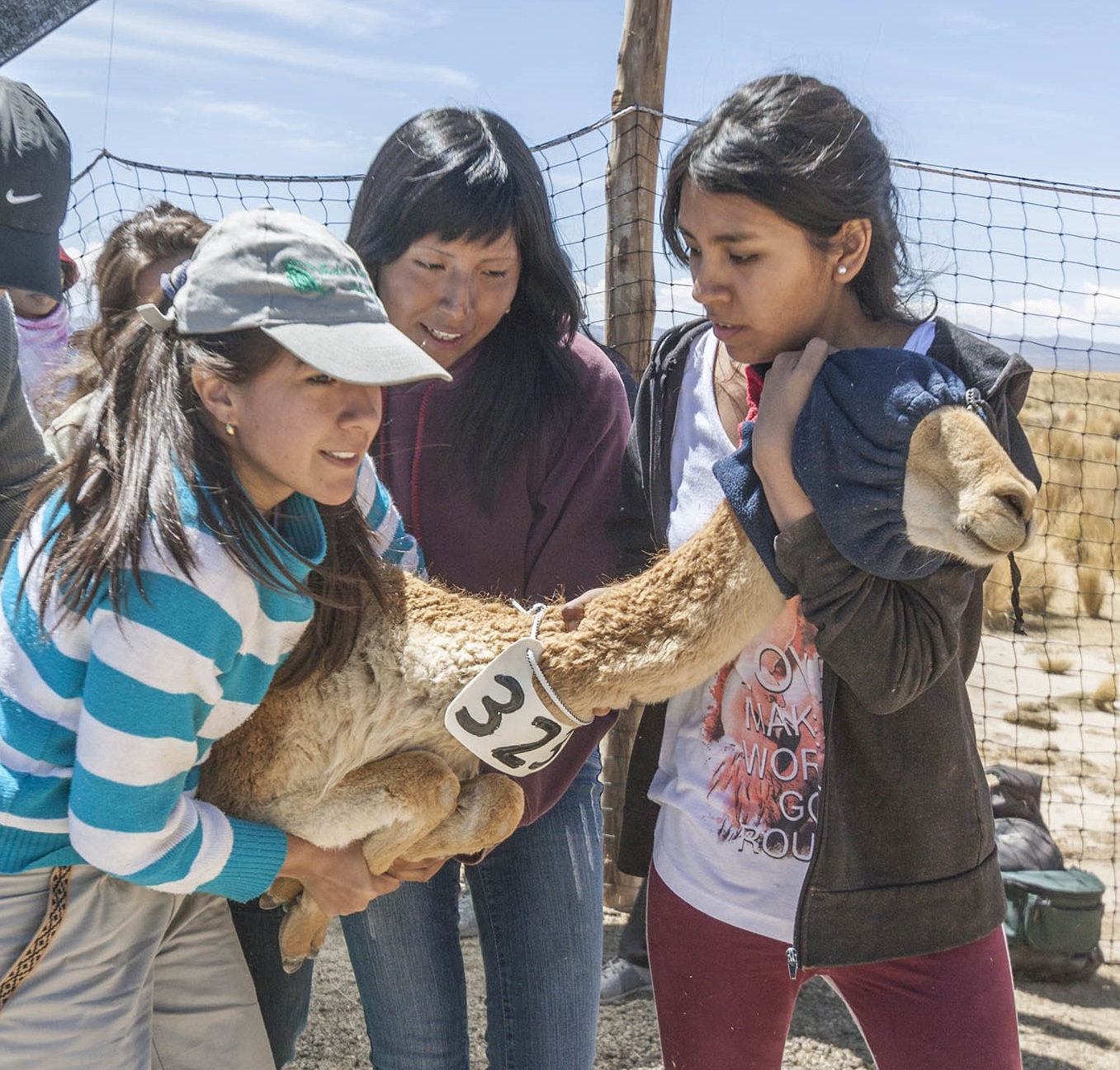
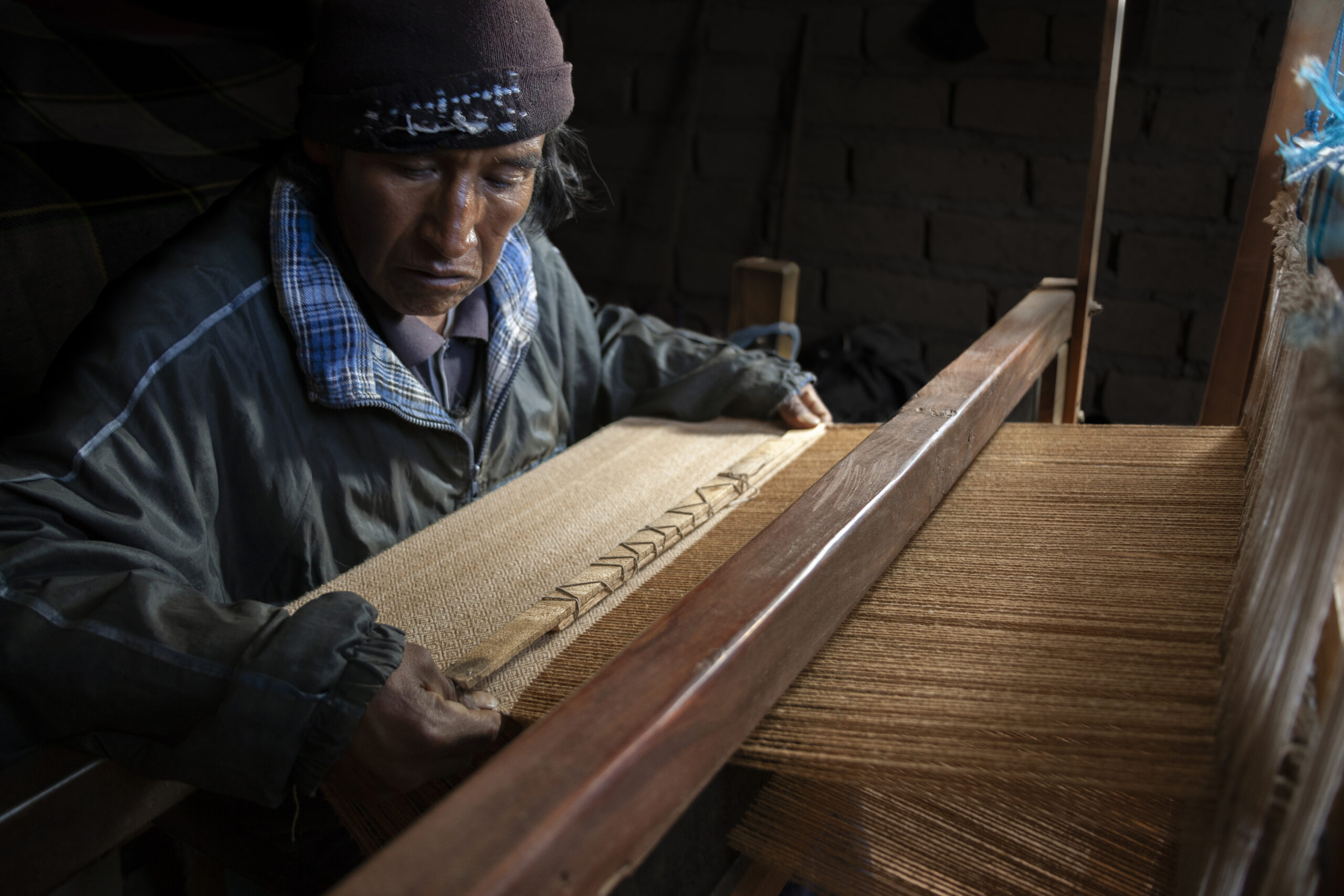
The altiplano has one of the world’s most long-lived, culturally distinctive socioecosytem: Andean pastoralism. The Andean altiplano is inhabited by indigenous communities living with endemic biodiversity adapted to high-altitude semi-deserts. The main resource is llama (Lama glama) and sheep (Ovis aries) herding; these animals coexist with wild vicuñas (Vicugna vicugna), which have a very valuable fibre and are a protected species recovered from extinction, and suri (Rhea tarapacensis), a vulnerable non-flying bird. This Andean socio-ecosystem, an example of a co-constructed landscape maintained over a long time, is facing difficulties that are local expressions of a global pattern. Major threats include the emigration of youth and adult males, desertification, the decrease in prices of local products and difficulties in accessing markets. VICAM group (former MACS) along with local communities, was the first research team that developed a “chaku” the traditional capture, shearing and release (back to nature) of wild vicuñas in Argentina. It has been shown that trading camelid fibre (llama and vicuña fibre) as a commodity for international textile companies does not generate the desired income for local communities. However, the sustainable use of this fibre to support local production of high-quality fabric could provide an opportunity for altiplano development. So currently we are working on enabling communities to develop their capacities to add value to the fibre of vicuñas and also llamas.
Country: Argentina
Biosphere Reserve: Laguna de Pozuelos
Contact:
Bibiana Vilá: bibianavila@gmail.com